


Chile’s technology sector has long become a strategic pillar of the national economy and, more recently, a magnet for global tech investment. If you’re looking to hire remote talent in Chile, you’re probably wondering how the IT sector in Chile has grown into one of Latin America’s most dynamic markets. In fact, broader ICT spending is expected to reach about USD 17.78 billion in 2025 and continue expanding toward 2030, according to Mordor Intelligence.
In this guide, you’ll uncover the structure of Chile’s tech ecosystem, from its major hubs, such as Santiago, to emerging cities that are gaining traction. You’ll learn why nearshoring and software services are accelerating demand, how talent and education trends are shaping the workforce, and what policies and infrastructure investments are driving digital transformation. You’ll also get a clear look at opportunities and challenges ahead, from talent gaps to cybersecurity and cloud adoption.
Whether you’re considering investment, nearshore partnerships, or talent sourcing in Chile, this article gives you a sharp, actionable understanding of the country’s technology landscape and where it’s headed next.
Overview of Chile’s Technology Sector
Chile’s technology sector has become a structural part of the national economy rather than a peripheral industry. It spans software development, IT services, cloud computing, telecom infrastructure, cybersecurity, and emerging digital solutions. This is one reason the IT sector in Chile is increasingly referenced in regional tech and investment discussions.
The scale of the market is significant. Chile’s ICT market is projected to reach USD 17.78 billion in 2025 and grow to USD 26.68 billion by 2030, according to Mordor Intelligence, representing a compound annual growth rate of 8.46%. This growth is driven primarily by enterprise digitalization, cloud migration, and rising demand for advanced IT services.
Digital readiness is another defining feature. Internet penetration in Chile stands at roughly 91% of the population, according to official data compiled by international trade and export agencies, placing Chile among the most connected countries in Latin America. Mobile penetration exceeds 147%, reflecting widespread access to smartphones and mobile broadband, a key enabler for SaaS, fintech, and cloud-based platforms.
From a structural standpoint, IT services account for a large share of sector activity. These include software development, systems integration, managed services, and IT consulting. According to trade data published by the US International Trade Administration, demand for enterprise software, cybersecurity solutions, and cloud infrastructure continues to outpace traditional hardware spending as organizations modernize operations.
Public policy also plays a measurable role. National digital strategies, including long-term frameworks such as Chile Digital 2035, are aligned with private-sector investment to expand data centers, improve connectivity, and modernize public services. This coordination has helped position Chile as a stable environment for large-scale technology projects, according to market analysis from Mordor Intelligence.
Geographically, the sector is concentrated but not centralized. Santiago generates the majority of technology revenue and hosts the highest density of tech firms, while cities such as Valparaíso and Concepción contribute through specialized academic, research, and innovation activity, according to regional economic development data.
Despite its maturity, the sector faces capacity constraints. Chile experiences an annual shortfall of approximately 6,000 ICT professionals, according to the US Department of Commerce, reflecting sustained demand for software engineers, cloud specialists, and cybersecurity talent that outpaces local supply.
Overall, Chile’s technology sector is defined by market scale, high digital adoption, diversified ICT services, strong public–private alignment, and persistent talent demand, making it one of the most established and data-backed tech ecosystems in Latin America.
Key Tech Hubs Rising in Chile
1. Santiago as Chile’s Primary Technology Hub
Santiago remains the center of gravity for Chile’s technology sector. You’ll find the highest concentration of software companies, IT service providers, fintech firms, and multinational tech operations here. According to data from CORFO, the capital hosts the majority of startups supported by national innovation programs, reflecting its role as the country’s main entry point for venture capital, accelerators, and enterprise technology projects.
The city’s advantage goes beyond scale. Santiago concentrates top universities, engineering talent, cloud infrastructure, and corporate headquarters. This density shortens decision cycles and makes collaboration easier, which is why many international companies establish their first Chilean tech teams in the metropolitan area.
2. Valparaíso and Viña del Mar as Emerging Innovation Corridors
Valparaíso and neighboring Viña del Mar are gaining relevance as complementary tech hubs. The region benefits from a strong academic base, led by institutions such as Universidad Técnica Federico Santa María, which is known for engineering and computer science programs. This academic pipeline feeds startups focused on software development, data analytics, and logistics technology.
You’ll also see a growing number of early-stage companies choosing this area for its lower operating costs and proximity to Santiago.
3. Concepción as a Southern Technology and R&D Hub
Concepción has positioned itself as a technology hub with a strong emphasis on research, industrial software, and applied engineering. The city’s ecosystem is closely linked to universities and research centers that specialize in manufacturing, energy, and environmental technologies.
This focus attracts companies building solutions for mining, forestry, and industrial automation. According to Chile’s Ministry of Economy, the Biobío Region has increased its participation in national innovation programs over the last decade, signaling sustained public and private investment in tech-driven R&D outside the capital.
4. Antofagasta and the Rise of Mining and Energy Tech
Antofagasta stands out for its specialization rather than volume. As the heart of Chile’s mining industry, the region has become a hub for mining technology, automation software, and energy-related digital solutions. You’ll find startups and IT providers developing platforms for predictive maintenance, operational analytics, and safety systems tailored to large-scale extraction operations.
According to data from InvestChile, mining-related technology projects represent a growing share of regional innovation initiatives, driven by demand from global mining companies operating in northern Chile.
All The Competitive Advantages of Chilean Tech Talent
Strong Educational Foundations in Engineering and Technology:
Chilean tech talent benefits from a solid academic base. Chile has one of the highest tertiary education attainment rates in Latin America, with over 40% of adults aged 25 to 64 holding a tertiary degree, according to the OECD. Engineering, computer science, and applied sciences are among the most common technical fields, supplying companies with developers, QA engineers, data analysts, and systems specialists who are trained under internationally aligned curricula.
Universities maintain close ties with industry and research centers, which helps graduates enter the workforce with practical experience rather than purely theoretical knowledge.
High English Proficiency for Regional Standards:
English proficiency is a measurable advantage when working with Chilean tech professionals. Chile consistently ranks among the top English-proficient countries in Latin America, placing 47th globally with a “high proficiency” rating, according to the EF English Proficiency Index. For you, this translates into fewer communication barriers when working with distributed teams, documenting systems, or collaborating across time zones.
This skill set is particularly relevant in software development, cloud services, and cybersecurity roles where English documentation and real-time communication are part of daily workflows.
Cultural Compatibility With Global Business Practices:
Chilean professionals are known for structured communication, accountability, and process-driven work habits. Business culture in Chile closely aligns with North American and European standards, emphasizing deadlines, documentation, and compliance.
According to World Bank governance indicators, Chile consistently ranks among the strongest institutional and regulatory environments in Latin America. This stability shapes professional behavior, making collaboration smoother for companies used to formal project management and reporting frameworks.
Experience With Complex and Regulated Industries:
A key competitive edge lies in industry exposure. Chilean tech talent often works with highly regulated and technically demanding sectors such as mining, energy, finance, and telecommunications. These industries require strict compliance, system reliability, and security standards.
This background strengthens problem-solving skills and risk awareness. Developers and engineers are accustomed to working on mission-critical platforms, enterprise systems, and data-intensive environments rather than small-scale or experimental projects alone.
Time Zone Alignment and Real-Time Collaboration:
Chile operates in a time zone that closely overlaps with the US East Coast and aligns well with most of the Americas. For you, this means real-time collaboration without relying heavily on asynchronous workflows.
This alignment supports agile development, daily standups, live troubleshooting, and faster feedback cycles, especially for software development, DevOps, and managed IT services.
Competitive Salaries Without Sacrificing Quality:
While Chilean tech salaries are higher than some regional markets, they remain significantly lower than US and Western European benchmarks, according to compensation data from the OECD and regional labor reports. This balance allows access to experienced professionals without the cost volatility seen in more saturated tech markets.
For businesses, the value comes from productivity, retention, and skill depth rather than short-term labor arbitrage.
Strong Adaptability and Continuous Learning Culture:
Chilean tech professionals operate in a fast-evolving digital economy. Adoption of cloud platforms, cybersecurity frameworks, and modern development tools has accelerated across the workforce. According to Chile’s Ministry of Economy, digital skills training and upskilling programs have expanded steadily over the last decade, reinforcing a culture of continuous learning.
This adaptability matters when technology stacks change or when teams need to scale across new tools and platforms quickly.
Together, these advantages position Chilean tech talent as technically capable, globally compatible, and operationally reliable, offering a blend of education, communication skills, and real-world experience that supports long-term technology initiatives rather than short-term execution alone.
The Key Market Trends For The Chilean Technology Sector in 2026
1. Improving Digital Infrastructure and Connectivity
Chile continues to strengthen its digital foundation. The country moved up eight positions in the ICT Development Index, ranking 15th in Latin America and the Caribbean and 100th globally, according to the International Telecommunication Union. This improvement reflects expanded broadband access, higher mobile usage, and better digital inclusion, all of which support increased enterprise technology adoption heading into 2026.
For you, this signals a market with fewer infrastructure bottlenecks and more consistent access to cloud-based and digital services.
2. Accelerated Adoption of Cloud and IaaS Solutions
Cloud computing is becoming a core pillar of the local tech market. Infrastructure as a Service revenue is projected to grow steadily through 2030, according to Statista, driven by digital transformation initiatives, remote work models, and rising demand for scalable IT environments.
Businesses are moving away from on-premise systems toward hybrid and cloud-first architectures, especially in finance, retail, logistics, and tourism-related industries.
3. Expansion of Digital Skills and Workforce Programs
Workforce modernization remains a priority. National programs focused on digital skills training are expanding access to education in programming, data analytics, AI, and web development. According to the US International Trade Administration, public-private initiatives are playing a growing role in addressing skill gaps and preparing the workforce for higher-value tech roles.
This trend supports a gradual shift from basic IT support toward more specialized technical capabilities in 2026.
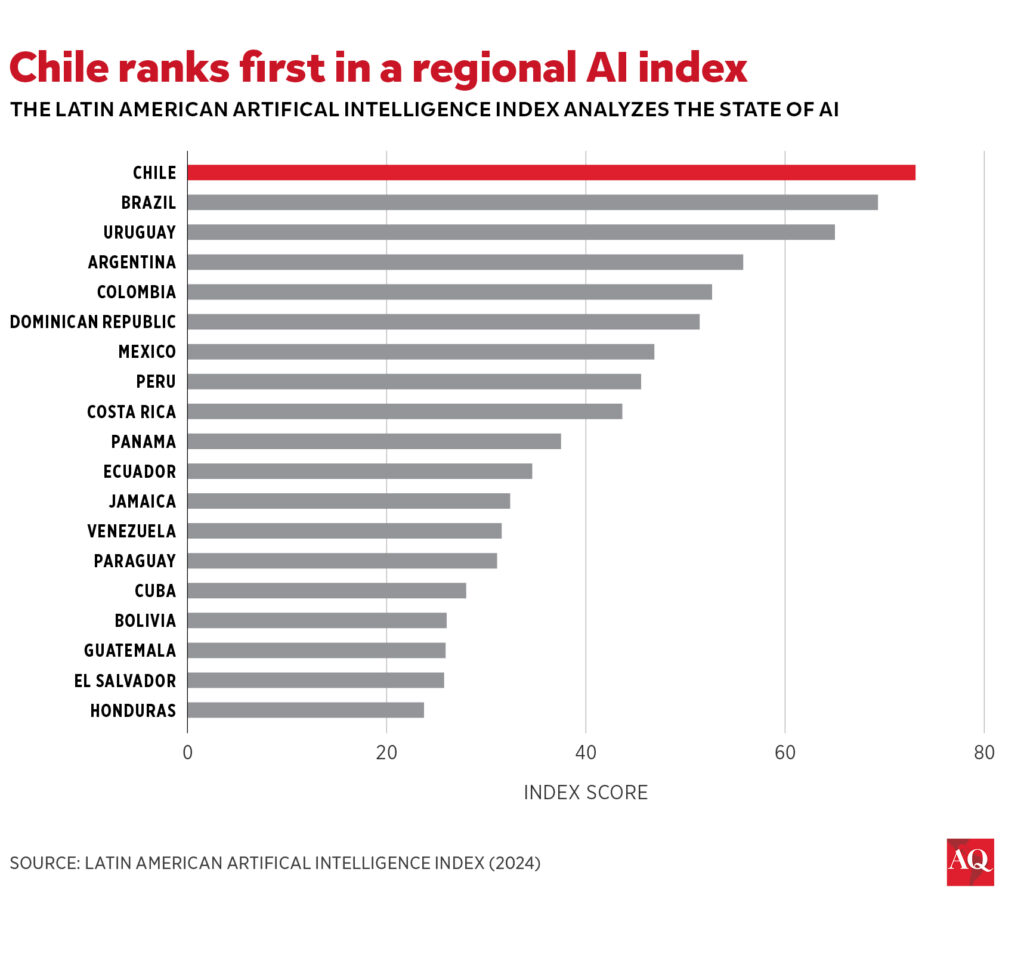
4. Early-Stage AI Integration Across Key Industries
Artificial intelligence adoption is moving from experimentation toward practical use cases. According to national policy discussions highlighted at international forums, AI is increasingly viewed as a tool for productivity gains in healthcare, education, financial services, and tourism.
Rather than large-scale deployment, 2026 is shaping up as a year of targeted AI implementation, focused on automation, data analysis, and customer experience optimization.
5. Continued Momentum in Digital Government and Compliance Tech
Government-led digital transformation continues to influence market demand. The Agenda Digital 2030 framework prioritizes digital government services, cybersecurity, and interoperability, according to the US International Trade Administration.
As public systems modernize, private companies are increasingly required to adopt compliant digital tools, accelerating demand for software solutions tied to tax, identity, and regulatory processes.
Ready to Hire Remote Talent in Chile?
The Chilean technology sector is entering a more mature phase, characterized by stronger digital infrastructure, increasing cloud adoption, and a steady shift toward higher-value technical skills. These shifts are altering how companies assemble teams, deploy technology, and formulate long-term digital strategies in the country.
From our perspective at Hire South, this evolution creates a clear opportunity for businesses that need reliable access to qualified tech professionals without added complexity. With on-the-ground experience across Latin America and a deep understanding of local labor markets, we help companies hire and manage technology talent in the Latin American landscape while staying aligned with local regulations and market conditions. As digital adoption continues to accelerate, having a trusted partner on the ground becomes a practical advantage rather than a nice-to-have. Contact us to schedule a FREE strategy session!